Justice For All?
Unpacking Westminster’s Access to Justice Inquiry
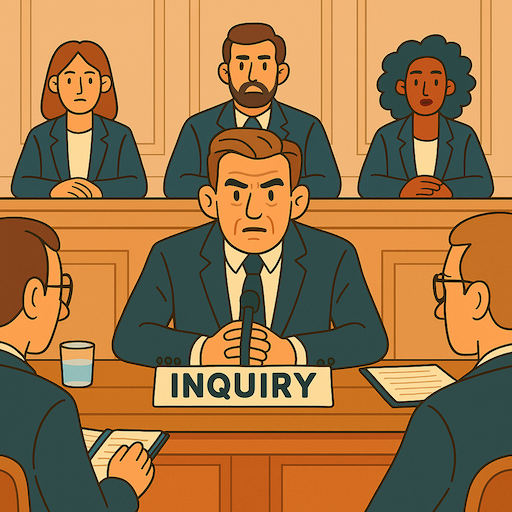
The House of Commons Justice Committee has launched a landmark inquiry into the state of access to justice in England and Wales; this is a move that could reshape how legal support is funded, delivered, and understood across the country.
What is the inquiry about?
The inquiry explores whether the justice system is serving the people who need it most. It asks:
Is legal support accessible for ordinary people?
The Legal Aid Crisis
Cuts to legal aid since LASPO (the Legal Aid, Sentencing and Punishment of Offenders Act 2012) left vulnerable groups struggling to resolve housing, family, and welfare issues. Solicitors have reported that even basic advice is now out of reach for many. This has led to a dramatic increase in unrepresented parties in court, which raises concerns about fairness and efficiency.
The rise of Litigants in Person
We’ve written about this in a blog before. It’s clear that without proper legal guidance, individuals navigating family disputes, eviction cases, or welfare claims will face daunting paperwork, some will find it impossible to sufficiently understand the processes, and yet they have to cope with tight deadlines for responses and a lot of unfamiliar jargon. Judges are tasked with balancing empathy and impartiality, whilst the system itself buckles under the strain of longer hearings and procedural delays.
Innovation or Inequality?
The government has leaned heavily on technology to fill the gap, creating online portals, chatbots, and virtual hearings. But critics argue these solutions can reinforce barriers:
Even so, there is still some promise in AI-powered support if used property, remote legal clinics, and hybrid service models that combine face-to-face assistance with digital tools (such as those No.53 Legal has been using for the last 10 years and which you can find on our site, e.g. ask a question).
What’s next?
The Committee is calling for evidence from legal professionals, community organisations, and the public. Key outcomes could include:
Why it matters
Justice isn’t just about courtrooms, it’s about resolving disputes, protecting rights, and offering clarity in times of legal dispute distress. Whether people are facing eviction, escaping abuse, or challenging benefit cuts, access to legal support can be life-altering.
This inquiry has the potential to mark a turning point towards a more inclusive justice system. But let’s not hold our breath whilst we’re waiting.
Harriet M, Consultant